
Meta Description:
Discover the best time to visit Jammu for sightseeing, adventure, and festivals. Plan your ideal Jammu trip now with this seasonal travel guide.
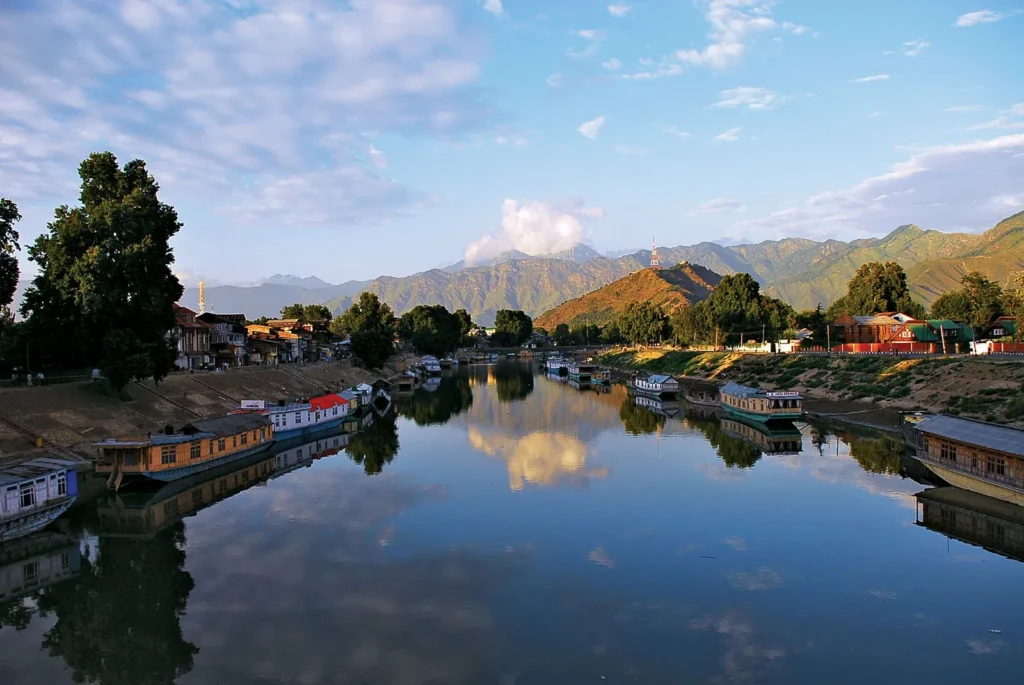
https://www.google.com/maps/place/Jammu/@32.7145664,74.695154,11z/data=!3m1!4b1!4m6!3m5!1s0x391e84bf169d3525:0xf233488eeb8fd8d!8m2!3d32.7266016!4d74.8570259!16s%2Fm%2F051zvy9?entry=ttu&g_ep=EgoyMDI1MDUyNi4wIKXMDSoASAFQAw%3D%3DVisiting a place like Jammu is like stepping into a painting where every season adds its own colors. Whether you’re seeking snow-covered mountains, spiritual peace, or vibrant festivals, Jammu has something for every traveler. But timing is everything. Knowing the best time to visit Jammu can make the difference between an okay trip and a magical one.
In this guide, we’ll walk you through Jammu’s seasons, what each one offers, and how you can make the most of your visit. Think of it as your travel compass, pointing you toward unforgettable memories.
Table of Contents
| Sr# | Headings |
|---|---|
| 1 | Why Timing Matters When Visiting Jammu |
| 2 | A Quick Look at Jammu’s Weather |
| 3 | Spring (March to May): Blossoms and Beauty |
| 4 | Summer (June to August): A Cool Escape |
| 5 | Monsoon (July to September): Green but Slippery |
| 6 | Autumn (October to November): Golden Charm |
| 7 | Winter (December to February): Snow and Serenity |
| 8 | Best Time for Pilgrimage Tourism |
| 9 | Best Time for Nature Lovers and Photographers |
| 10 | Best Time for Adventure Enthusiasts |
| 11 | Best Time for Festivals and Culture |
| 12 | Month-by-Month Breakdown |
| 13 | Budget Travel Tips Based on Season |
| 14 | Packing Tips for Each Season |
| 15 | Final Thoughts and Recommendations |
1. Why Timing Matters When Visiting Jammu
https://syam.digitalschampions.in/You wouldn’t wear woolen clothes to a beach, right? Similarly, choosing the right time to visit Jammu can define your entire experience. From weather conditions and festival timings to crowd levels and hotel prices, seasonal variation affects it all.
2. A Quick Look at Jammu’s Weather
Jammu experiences all four seasons, thanks to its diverse geography:
- Spring: Pleasant and colorful
- Summer: Warm in plains, cool in hills
- Monsoon: Humid with frequent showers
- Autumn: Crisp air and clear skies
- Winter: Cold, sometimes snowy in higher areas
Each season changes how you experience the city and its nearby attractions.
3. Spring (March to May): Blossoms and Beauty
Spring in Jammu feels like nature waking up with a smile. Flowers bloom, and the weather is pleasantly cool—perfect for sightseeing.
Highlights:
- Ideal for visiting gardens and temples
- Great for outdoor activities
- Light crowds and moderate prices
If you’re someone who enjoys mild weather and natural beauty, this is probably the best time to visit Jammu.
4. Summer (June to August): A Cool Escape
While the plains may heat up, Jammu offers cooler hill retreats like Patnitop and Sanasar.
Why visit in summer?
- Escape from scorching temperatures in other parts of India
- Perfect for family vacations and picnics
- Cool evenings and scenic drives
Think of it as nature’s air conditioner—ideal for those looking to beat the heat.
5. Monsoon (July to September): Green but Slippery
Monsoon paints Jammu in lush green, but it’s a bit of a mixed bag.
Pros:
- Fewer tourists
- Beautiful landscapes
Cons:
- Landslides in hilly areas
- Unpredictable road conditions
Unless you’re an offbeat traveler who enjoys rain-washed scenery, monsoon isn’t the best time to visit Jammu.
6. Autumn (October to November): Golden Charm
Autumn brings a golden glow to Jammu. Trees turn shades of orange and red, and the weather is crisp but not too cold.
Perfect for:
- Leisure walks
- Photography
- Temple visits without the crowd
Autumn is often overlooked but offers a peaceful, aesthetic experience—ideal for a romantic getaway or reflective solo travel.
7. Winter (December to February): Snow and Serenity
If you dream of snowfall and woolen scarves, winter is your season. Though Jammu city doesn’t get much snow, nearby places like Patnitop do.
Activities:
- Snow sports
- Hot local cuisine
- Visiting snow-covered temples
Just make sure to bundle up—it gets quite chilly, especially at night.
8. Best Time for Pilgrimage Tourism
Jammu is the gateway to Vaishno Devi, one of India’s most sacred shrines.
Ideal months:
- March to May and September to November
- Pleasant weather for trekking to the shrine
- Manageable crowds compared to peak summer
Avoid the monsoon due to slippery paths and possible delays.
9. Best Time for Nature Lovers and Photographers
If your camera is your best travel companion, you’ll love:
- Spring: For vibrant flowers and clean air
- Autumn: For golden hues and dramatic skies
- Winter: For snow-clad landscapes
Timing your trip with the changing seasons adds layers to your storytelling.
10. Best Time for Adventure Enthusiasts
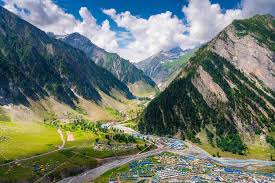
Love trekking, paragliding, or camping?
- Summer: Great for trekking and camping in Sanasar and Patnitop
- Winter: Ideal for snowboarding and skiing
Avoid the monsoon—slippery terrains can be risky.
11. Best Time for Festivals and Culture
Want to soak in the local spirit?
- Lohri (January): Winter bonfires and folk music
- Baisakhi (April): Colorful celebrations and local dances
- Navratri (March-April & September-October): Special prayers at temples
- Diwali (October-November): The city glows with lights and joy
These festivals give you a deeper connection with the culture and people.
12. Month-by-Month Breakdown
| Month | Weather & Activity Highlights |
|---|---|
| January | Cold; snow sports in hills |
| February | Cold; fewer crowds |
| March | Spring blooms begin |
| April | Ideal for sightseeing |
| May | Pleasant weather, growing crowds |
| June | Peak tourist season |
| July | Start of monsoon, fewer tourists |
| August | Humid, not ideal for trekking |
| September | Post-monsoon freshness |
| October | Crisp and scenic |
| November | Calm and cool |
| December | Chilly, festive vibes |
13. Budget Travel Tips Based on Season
- Off-season (Monsoon & February): Best for budget travel—lower hotel rates and airfare.
- Peak season (May & June): Prices surge; book in advance.
- Mid-season (March-April, October): Balanced experience and costs.
Pro Tip: Always check for deals on weekday travel and local guesthouses.
14. Packing Tips for Each Season
Spring & Autumn:
- Light jackets, walking shoes, sunglasses
Summer:
- Cotton clothes, sunscreen, water bottles
Monsoon:
- Raincoat, waterproof shoes, bug spray
Winter:
- Heavy woolens, thermals, gloves, lip balm
Packing smart helps you stay comfortable and ready for surprises.
15. Final Thoughts and Recommendations
So, what’s the best time to visit Jammu? It really depends on you. Want spiritual peace? Choose spring or autumn. Craving snow? Winter is your friend. Looking for vibrant celebrations? Sync your travel with the local festivals.
Jammu isn’t just a destination; it’s a mood that changes with the calendar.
Wherever you choose to go, and whenever you decide to visit—Jammu will welcome you with open arms.
Frequently Asked Questions (FAQs)
1. What is the best time to visit Jammu for snowfall?
The best time for snowfall is from late December to February, especially in places like Patnitop.
2. When is the weather most pleasant in Jammu?
March to May and October to November offer the most pleasant weather, perfect for sightseeing and temple visits.
3. Can I visit Jammu during the monsoon?
Yes, but it’s not recommended due to landslides and roadblocks, especially in hilly areas.
4. Is summer too hot in Jammu?
While the city can get warm, nearby hill stations like Sanasar and Patnitop offer a cool escape.
5. When is Vaishno Devi Yatra most comfortable?
Spring and autumn (March-May & September-November) provide the best conditions for the pilgrimage.